
How to Identify Quartz: 15 Powerful Ways to Spot This Amazing Mineral
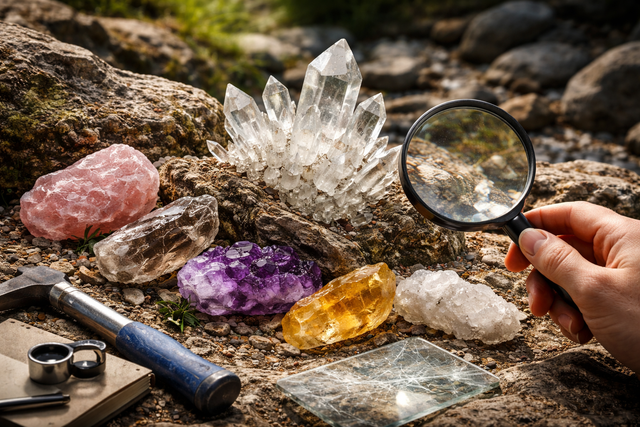
Introduction to How to Identify Quartz
If you’ve ever picked up a shiny rock and wondered whether it was quartz, you’re not alone. Learning How to Identify Quartz can be exciting, especially if you enjoy rock collecting, hiking, or geology. Quartz is one of the most common minerals on Earth, but many people confuse it with glass, calcite, or other shiny stones.
The good news? Quartz has several unique features that make it easier to recognize once you know what to look for. From hardness and crystal shape to color and shine, there are reliable methods to identify quartz correctly.
This guide explains everything you need to know about How to Identify Quartz, including easy tests you can do at home and expert tips for spotting real quartz in nature.
What Is Quartz and Why Is It Important?
Quartz is a naturally occurring mineral made of silicon and oxygen. It forms in many environments and can be found in igneous, metamorphic, and sedimentary rocks.
Quartz matters because it has countless uses in modern life. It appears in watches, electronics, countertops, glass products, jewelry, and even smartphones.
The Natural Formation of Quartz Crystals
Quartz forms deep underground when mineral-rich water cools slowly. Over time, silicon dioxide crystallizes into beautiful hexagonal shapes.
These crystals may grow inside rock cavities, caves, or veins. Depending on heat, pressure, and minerals present, quartz can develop different colors and patterns.
Common Uses of Quartz in Everyday Life
Quartz is more than just a pretty crystal. It plays a huge role in daily life:
Electronics and computer chips
Watches and clocks
Glass manufacturing
Jewelry and gemstones
Kitchen countertops
Construction materials
Because quartz is durable and attractive, it remains one of the most widely used minerals worldwide.
Physical Characteristics of Quartz
Understanding the physical features is the easiest way to master How to Identify Quartz.
Color Variations of Quartz
One surprising fact is that quartz comes in many colors.
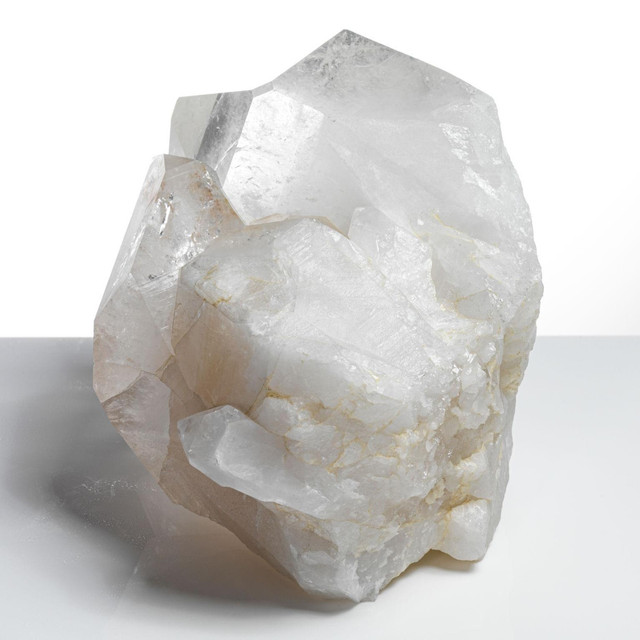

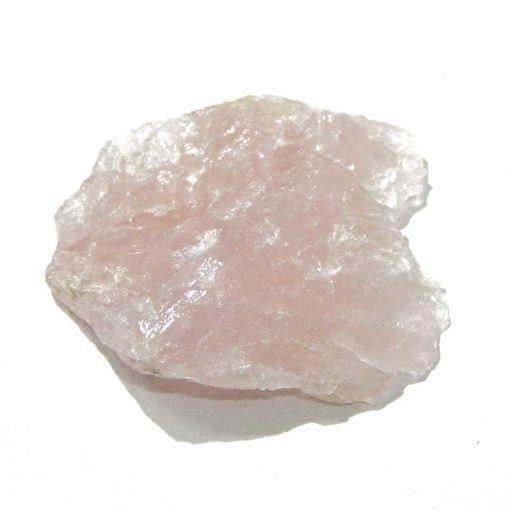
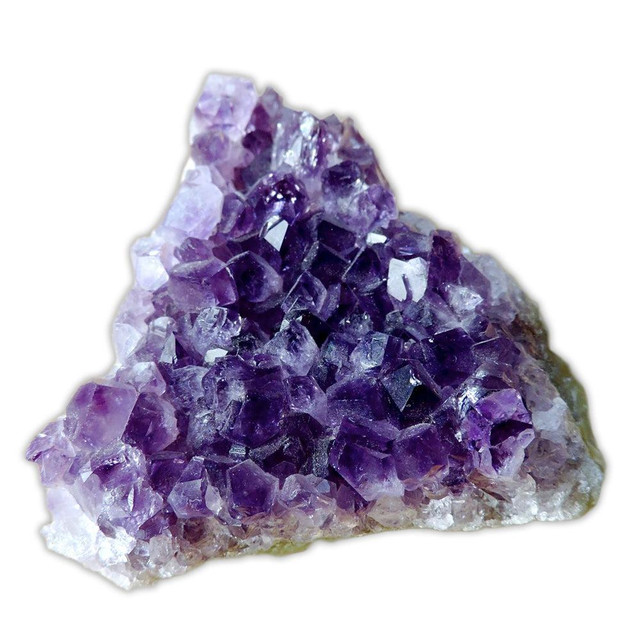
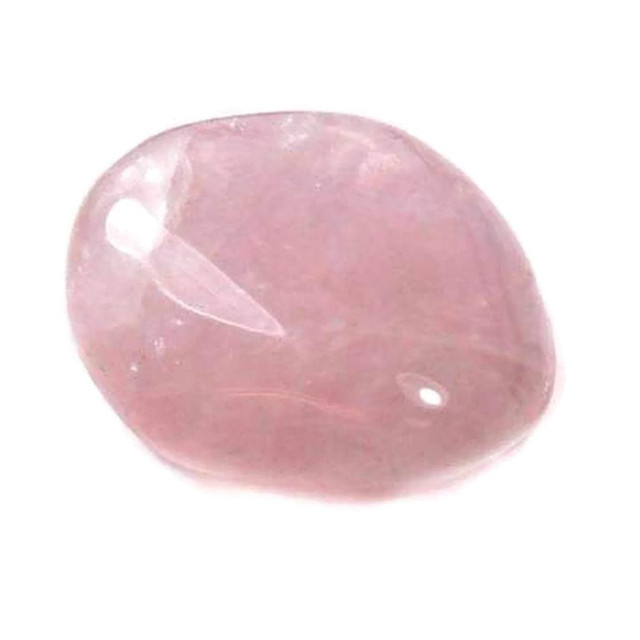
Common quartz colors include:
Type | Color |
|---|---|
Clear Quartz Transparent | Transparent |
Rose Quartz | Pink |
Smoky Quartz | Brown to gray |
Amethyst | Purple |
Citrine | Yellow to orange |
Milky Quartz | Cloudy white |
Color alone should not determine whether a stone is quartz because many minerals can appear similar.
Understanding Quartz Transparency and Shine
Quartz often has a glass-like shine called a vitreous luster. It can look transparent, translucent, or cloudy depending on impurities.
When light hits quartz, it often sparkles softly rather than appearing metallic.
The Hardness Test for Quartz
One of the most dependable ways to identify quartz is through hardness.
Quartz ranks 7 on the Mohs Hardness Scale, meaning:
It scratches glass easily
A knife usually cannot scratch it
It is tougher than many common minerals
Try scratching a glass bottle carefully. If the rock scratches glass without damage to itself, it may be quartz.
How to Identify Quartz by Crystal Shape
Crystal shape gives valuable clues.
Recognizing the Hexagonal Crystal Structure
Quartz crystals usually grow in a six-sided (hexagonal) structure with pointed ends.
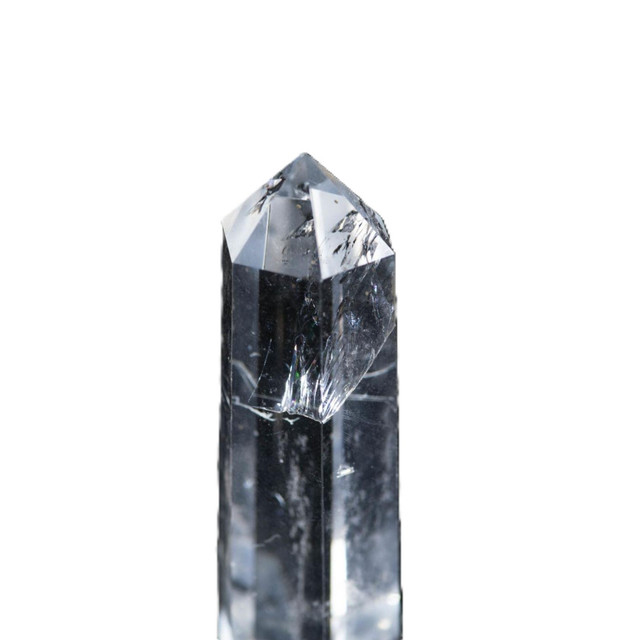
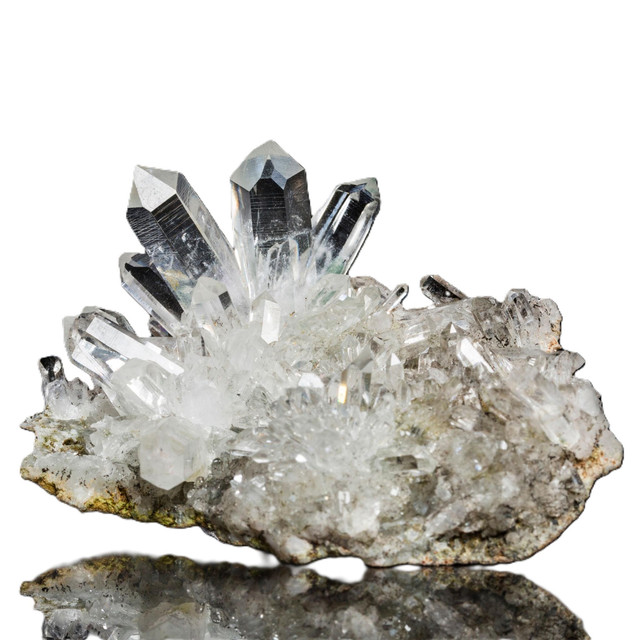

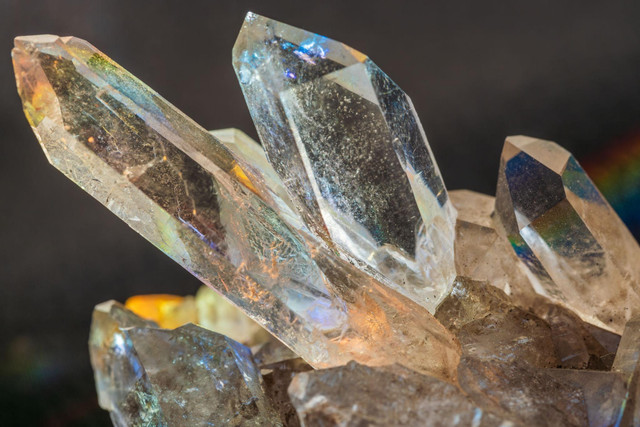
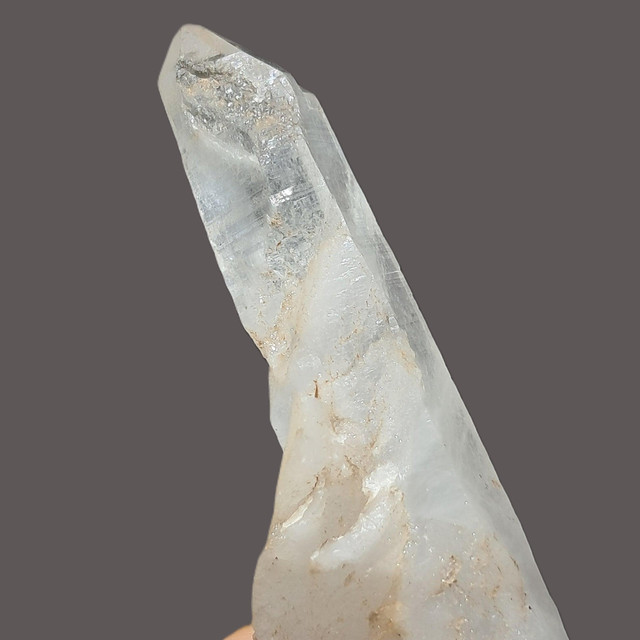
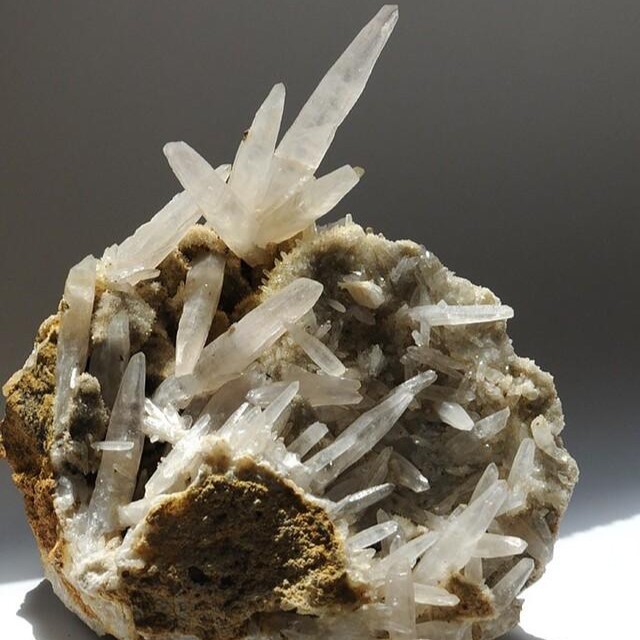
Signs of quartz crystal shape:
Six sides
Long prism shape
Pointed crystal tips
Symmetrical growth
If your specimen lacks crystal form, identification becomes harder, but not impossible.
Distinguishing Quartz from Similar Minerals
Quartz is often confused with:
Calcite — Softer and reacts to acid
Glass — Usually smoother with bubbles
Diamond — Much harder and rarer
Gypsum — Extremely soft
Quartz also breaks differently than glass.
Simple At-Home Tests to Identify Quartz
You do not need expensive tools.
The Scratch Test
Use a steel knife or nail.
If the mineral resists scratching, it may be quartz.
However, avoid damaging valuable specimens.
The Glass Test
Quartz can scratch glass due to its hardness.
Try lightly dragging the rock across glass.
If it leaves a scratch mark, quartz becomes more likely.
Checking for Cleavage and Fracture
Quartz has no cleavage, meaning it does not split into smooth flat planes.
Instead, quartz breaks with a conchoidal fracture, producing curved surfaces that resemble broken glass.
This is one of the best clues for beginners.
Different Types of Quartz You Should Know
Quartz exists in many forms.
Clear Quartz


Transparent and often called “rock crystal.”
Rose Quartz


Known for its pink color and popularity in jewelry.
Smoky Quartz
Ranges from light gray to dark brown.
Amethyst Quartz
Amethyst is among the most famous quartz varieties because of its purple color.


4
Common Mistakes When Trying to Identify Quartz
Many beginners make these mistakes:
Judging by color alone
Confusing quartz with glass
Ignoring hardness tests
Assuming all shiny stones are quartz
Forgetting crystal shape clues
Using multiple methods gives more accurate results.
Tools That Can Help Identify Quartz Accurately
Magnifying Glass and Mineral Identification Kits
A magnifying glass helps reveal crystal texture and fractures.
Mineral kits often include hardness picks and charts.
Using a Hardness Scale Chart
The Mohs hardness chart compares minerals and helps rule out softer stones.
For geology beginners, this tool is extremely useful.
For more mineral identification help, you can visit the official educational resources at Mineralogical Society of America.
Where Quartz Is Commonly Found
Quartz appears almost everywhere.
Quartz in Rivers, Mountains, and Beaches


Look for quartz in:
Riverbeds
Rocky mountain areas
Beaches
Granite-rich regions
Mining sites
Popular Quartz-Rich Regions Around the World
Some famous locations include:
Brazil
Madagascar
India
United States
These regions produce beautiful quartz crystals for collectors and industry.
Frequently Asked Questions About How to Identify Quartz
1. What color is natural quartz?
Quartz can be clear, white, pink, purple, yellow, gray, or brown.
2. Can quartz scratch glass?
Yes. Quartz ranks 7 on the Mohs scale and scratches glass.
3. Is quartz magnetic?
No, quartz is not magnetic.
4. Does quartz glow under UV light?
Most quartz does not glow strongly, though impurities can sometimes react.
5. How do I know if my crystal is real quartz?
Check hardness, fracture pattern, transparency, and crystal shape.
6. Is quartz valuable?
Common quartz is inexpensive, but rare forms can be valuable.
Conclusion
Learning How to Identify Quartz becomes easier once you know what features matter most. Pay attention to hardness, crystal shape, shine, and fracture patterns rather than relying on color alone.
Quartz may be common, but its beauty and usefulness make it fascinating to study. Whether you’re collecting stones, hiking through nature, or exploring geology, these simple identification methods can help you recognize quartz with greater confidence.